

Trump’s Endorsement Sparks Market Turmoil for Palantir Amid AI and Military Ties
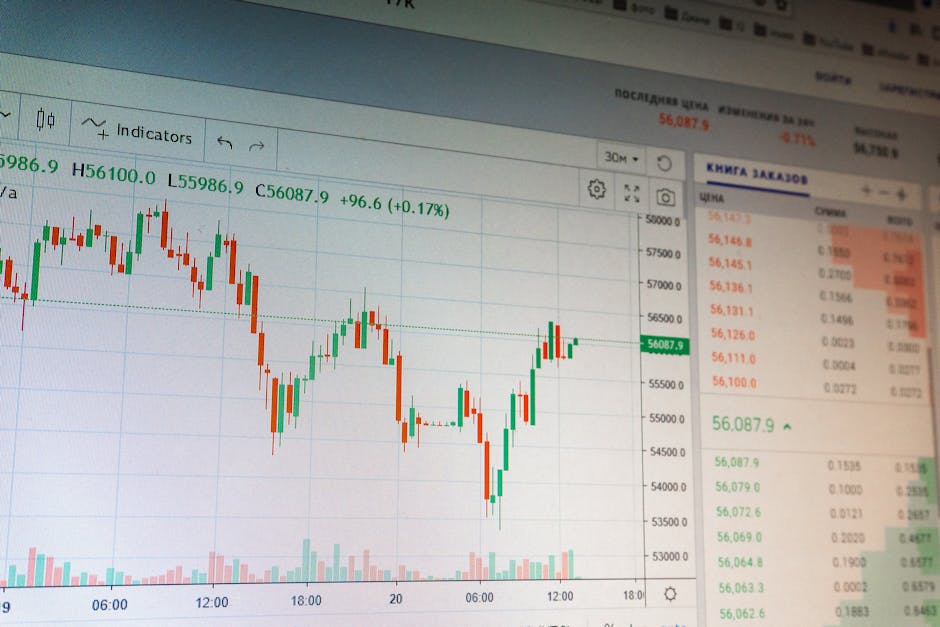
President Donald Trump’s recent praise for Palantir Technologies on Truth Social triggered a sharp sell-off in the company’s stock, which plummeted 14% in a single day. The post, which lauded the AI firm’s “war fighting capabilities,” came as the stock faced its worst weekly decline in months. Analysts noted the timing coincided with broader market fears about AI-driven technologies, compounding the drop.
Palantir’s stock had already been under pressure after Anthropic, an AI lab linked to the company, released its new Mythos model, raising concerns about potential misuse. The firm’s reliance on government contracts, including military operations in the Middle East, has long made it a political flashpoint. Trump’s post, however, added a new layer of controversy, with critics suggesting it could have been a veiled attempt to influence market sentiment.
The U.S. military’s use of Palantir’s Maven Smart System in strikes on Iran since late February has made the company a key player in national security. Yet, its ties to surveillance tools and immigration enforcement have drawn repeated scrutiny.
Palantir’s CEO Navigates Political and Ethical Crossroads
CEO Alex Karp, who has long supported military modernization, faced renewed scrutiny over his company’s dual role as both a tech innovator and a surveillance tool. Karp’s public backing of Trump, despite past criticisms of the former president, underscored the complex relationship between the firm and the political landscape. However, his defense of Palantir’s work with Israel following the Oct.
7 Hamas attack also led to internal dissent, with some employees leaving the company. Karp’s alignment with Trump has drawn sharp criticism from watchdog groups, which argue it blurs the line between corporate interests and political influence. CREW, a watchdog organization, pointed to Trump’s post as an unusual move, noting Palantir had previously sponsored Trump administration events and donated to the White House.
The firm’s stock ticker appearing in the post raised questions about whether it was an attempt to artificially boost the stock amid its recent struggles. Meanwhile, Palantir’s partnership with Anthropic, a blacklisted AI lab, has further complicated its position. While Karp claimed the company would “phase out” Anthropic’s models, the firm still relies on its technology.
Market Volatility and the AI Industry’s Shifting Landscape
The broader AI sector has been in turmoil, with Palantir’s stock joining a wave of declines as investors weigh the risks of rapid innovation. Michael Burry, a famed short seller, recently targeted the stock, calling it “eating Palantir’s lunch” after Anthropic’s new model sparked fears of obsolescence. Burry’s comments gained traction following Trump’s post, which he suggested could temporarily stabilize the stock.
Despite the short-term volatility, Palantir’s stock remains near its 12-month low, trading at around $126. The firm’s reliance on government contracts has made it a bellwether for the sector, but its political entanglements have left it vulnerable to market swings. As the AI industry debates the ethical and strategic use of its tools, Palantir’s position as both a military asset and a tech innovator continues to define its challenges.
The company’s future now hinges on balancing its government contracts with growing scrutiny over its AI applications. With Trump’s endorsement and Anthropic’s influence shaping its trajectory, Palantir faces a pivotal moment that could determine its role in the evolving tech and defense landscape.
Conclusion
Trump’s endorsement of Palantir has intensified scrutiny of the company’s role in both military operations and AI innovation, highlighting the delicate balance between political influence and market performance. As the stock continues to fluctuate amid broader industry concerns, Palantir’s ability to navigate its complex ethical and strategic landscape will shape its future in the tech and defense sectors.
Read more: Iranian Drone Attacks and Regional Conflicts Escalate Amid Escalating Tensions in the Gulf
About the Author