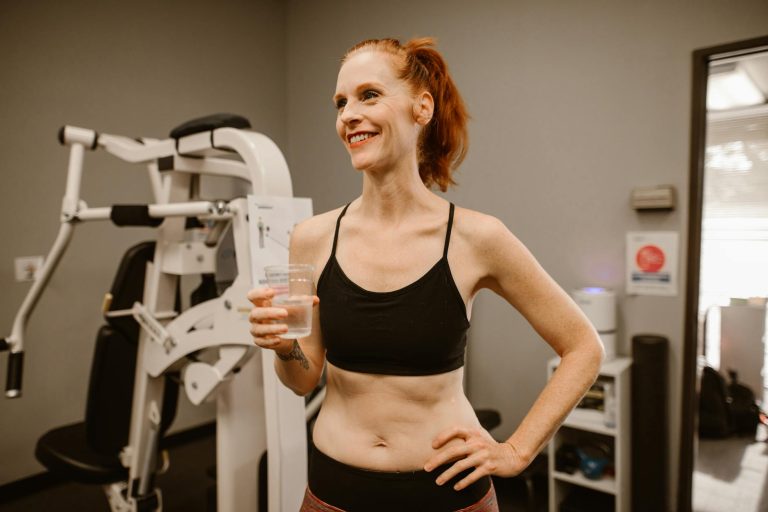


In 2026, the global conversation around health has shifted decisively from reactive care to proactive longevity. People are no longer just trying to avoid illness—they are actively engineering longer, healthier lives. From personalized nutrition to biohacking and mental resilience practices, emerging health trends are redefining what it means to age. As more individuals explore lifestyle upgrades and holistic wellness platforms such as https://theartofthebar.com/, the focus is increasingly on sustainable habits that extend both lifespan and healthspan.
What makes this moment unique is the convergence of science, technology, and cultural awareness. Advances once confined to elite laboratories are now accessible to everyday consumers. At the same time, growing awareness about burnout, environmental stressors, and chronic disease has pushed people to rethink how they live, eat, move, and recover. The result is a new generation of health-conscious individuals who treat their bodies like long-term investments rather than short-term fixes.
Personalized Health Optimization Is Becoming the New Standard
One of the most influential shifts in 2026 is the rise of personalized health optimization. Instead of following generic advice, individuals are turning to data-driven insights tailored specifically to their biology. Wearable devices now track everything from sleep cycles and heart rate variability to glucose levels and stress responses, offering real-time feedback that empowers smarter decisions.
This shift has dramatically changed how people approach daily habits. Instead of guessing what works, individuals can now monitor how their bodies respond to food, exercise, and stress. This allows for immediate adjustments—whether it’s improving sleep patterns, optimizing workout intensity, or fine-tuning nutritional intake for maximum benefit.
DNA-based health services have also become more accessible and advanced. People can now receive detailed insights into genetic predispositions, nutrient absorption, and even ideal training styles. This level of personalization reduces inefficiencies and helps individuals build long-term strategies that are both effective and sustainable.
Artificial intelligence is playing a critical role in this transformation. AI-powered health platforms analyze massive amounts of personal data and generate customized recommendations that evolve over time. This dynamic approach ensures that health strategies remain relevant as the body changes, making longevity a continuous, adaptive process rather than a fixed plan.
Nutrition and Recovery Are Redefining Longevity
Nutrition in 2026 is no longer about calories alone—it’s about cellular health and long-term vitality. The concept of “food as medicine” has become mainstream, with people prioritizing nutrient-dense, anti-inflammatory foods that support both physical and cognitive performance.
Functional foods are at the center of this movement. Ingredients such as adaptogens, probiotics, and omega-rich compounds are widely used to improve gut health, reduce inflammation, and enhance resilience. Scientific research continues to reinforce the connection between gut health and overall wellbeing, including mental clarity and immune strength.
Rather than following rigid diet trends, many individuals are adopting flexible, balanced eating patterns. Plant-forward diets remain popular, but they are now complemented by high-quality proteins and healthy fats to ensure nutritional completeness. Fermented foods, whole grains, and minimally processed ingredients are becoming staples in everyday meals.
Equally important is the growing focus on recovery. In previous years, fitness culture often emphasized intensity over sustainability. In 2026, recovery is recognized as a critical component of long-term health. Practices such as cold exposure, infrared sauna therapy, and compression recovery are widely used to reduce inflammation and support muscle repair.
Sleep has also emerged as a cornerstone of longevity. People are investing in sleep-tracking technology, smart environments, and behavioral changes that improve sleep quality. Scientific evidence consistently shows that restorative sleep is essential for hormonal balance, immune function, and cellular repair. As a result, sleep is no longer treated as optional—it is a foundational pillar of health.
Mental Wellness and Lifestyle Balance Drive Long-Term Health
Another defining trend of 2026 is the integration of mental health into everyday wellness routines. There is a growing understanding that chronic stress, anxiety, and emotional fatigue can accelerate aging and increase the risk of disease. As a result, mental wellbeing is now treated with the same importance as physical health.
Mindfulness practices such as meditation, breathwork, and journaling have become part of daily routines for many individuals. These practices help regulate stress responses, improve focus, and enhance emotional resilience. Digital platforms and apps have made these tools more accessible, allowing users to integrate mental wellness seamlessly into their schedules.
Physical activity is also evolving to support longevity rather than short-term performance. Functional fitness, mobility training, and low-impact exercises are gaining popularity because they improve strength, balance, and flexibility without increasing injury risk. This approach supports long-term independence and overall quality of life.
Social connection is another critical factor gaining attention. Research consistently shows that strong relationships contribute to longer lifespans and better mental health. In response, people are prioritizing community, whether through group activities, shared wellness routines, or meaningful social interactions.
Environmental awareness is also shaping lifestyle choices. Individuals are becoming more conscious of exposure to toxins, pollution, and processed products. From choosing organic foods to improving indoor air quality, these small but consistent actions contribute to long-term health outcomes.
Ultimately, the health trends of 2026 reflect a deeper shift in mindset. Longevity is no longer about extreme interventions or quick fixes—it is about building a balanced, sustainable lifestyle that supports both body and mind. By combining technological innovation with timeless wellness principles, people are finding new ways to live longer, healthier, and more fulfilling lives.
Related Reading
- Daily habits to boost energy and maintain a healthy lifestyle naturally
- Emerging Health Practices That Could Extend Life Expectancy in 2026
- Rising Temperatures, Rising Risks: Understanding Extreme Weather in a Changing Climate
About the Author