

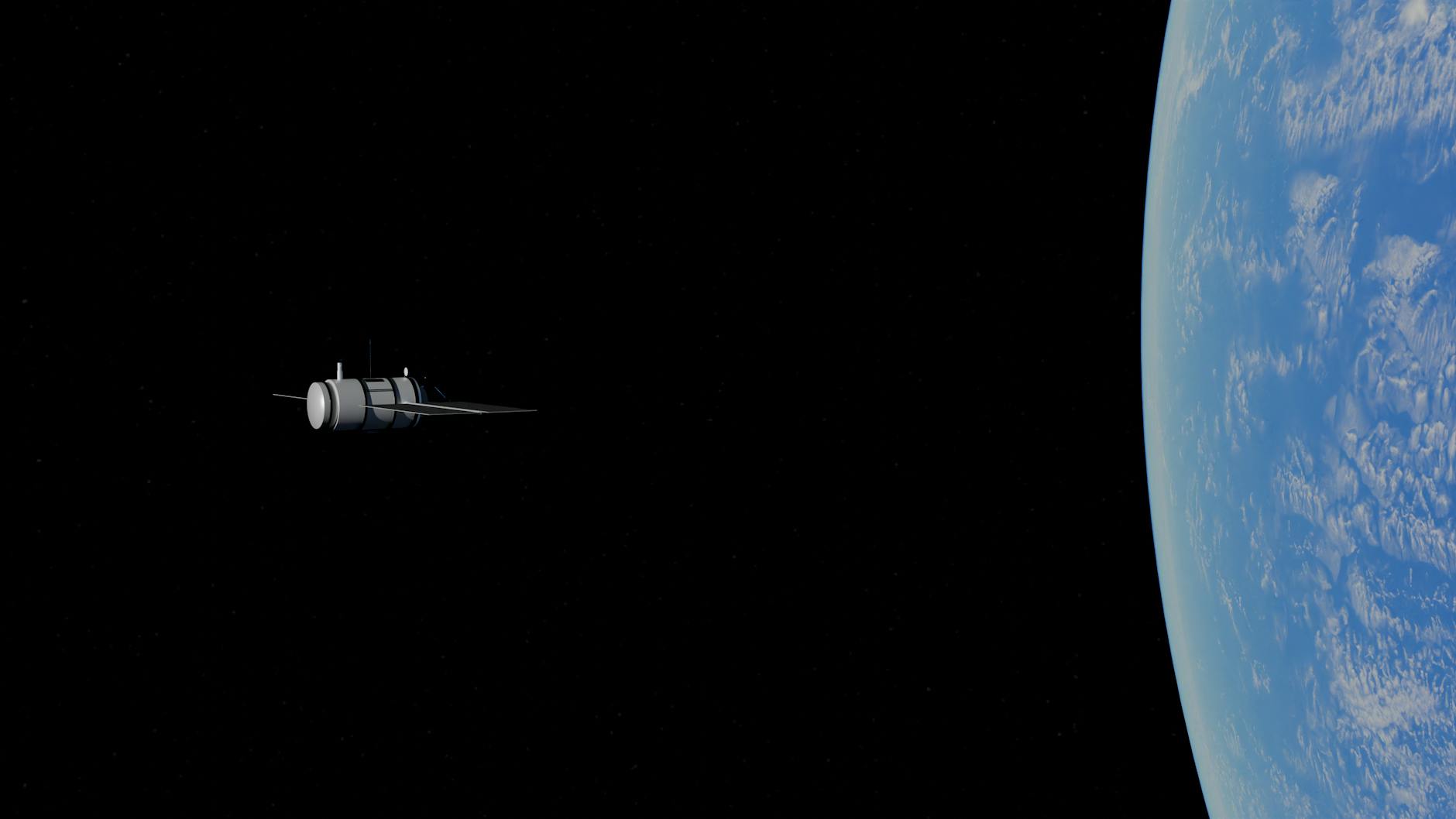
Space exploration is no longer a distant dream. It is happening in real time, shaping technology, science, and even everyday life. From reusable rockets to deep space missions, the pace of innovation continues to accelerate. If you want to follow how science and culture intersect across industries, platforms like https://theartofthebar.com/ also highlight how innovation trends influence broader global conversations.
The new era of private space companies and rapid innovation
For decades, space exploration was dominated by government agencies. Today, private companies are driving much of the progress. This shift has changed both the speed and cost of missions.
Reusable rockets have become the biggest game changer. Instead of discarding rockets after one launch, companies now land and reuse them multiple times. This reduces costs dramatically and allows more frequent missions.
You can see this clearly with modern launch systems:
- Rockets that land vertically after deployment
- Faster turnaround between missions
- Lower cost per kilogram sent into orbit
This shift has made space more accessible. Smaller countries and private organizations can now participate in missions that were once impossible.
Satellite technology has also evolved quickly. Thousands of small satellites are now orbiting Earth, providing internet access, climate monitoring, and navigation services.
This creates real impact in daily life:
- Improved GPS accuracy
- Faster global communication
- Better disaster tracking and response
The combination of private investment and new technology is pushing space exploration forward at an unprecedented pace.
Deep space missions and the search for life beyond Earth
While low Earth orbit is becoming more crowded, deep space missions are capturing global attention. Scientists are now focusing on Mars, the Moon, and distant celestial bodies.
Mars remains the top priority. Robotic missions are already collecting samples and analyzing the planet’s surface. The goal is clear. Understand whether life ever existed there.
Key developments include:
- Advanced rovers capable of drilling and sample storage
- High-resolution imaging of Martian terrain
- Plans for human missions within the next decade
The Moon is also back in focus. It is no longer just a symbol of past achievements. It is becoming a strategic location for future missions.
Space agencies are planning:
- Permanent lunar bases
- Resource extraction such as water ice
- Launch points for deeper space travel
Beyond Mars and the Moon, telescopes are exploring distant galaxies. They detect exoplanets that could potentially support life.
This research answers fundamental questions:
- Are we alone in the universe
- How common are Earth-like planets
- What conditions are needed for life
Each discovery brings new data. It also raises new questions.
Technology breakthroughs transforming space travel and research
Modern space exploration depends heavily on technology. Without it, none of these missions would be possible.
Artificial intelligence plays a key role. Spacecraft now use AI to make decisions without waiting for instructions from Earth. This is critical for deep space missions where communication delays can take minutes or even hours.
You can see AI being used in:
- Autonomous navigation systems
- Data analysis from planetary missions
- Predictive maintenance for spacecraft
Another major breakthrough is propulsion technology. Traditional fuel systems are being replaced or enhanced by more efficient methods.
Examples include:
- Ion propulsion systems for long-distance travel
- Solar sails that use radiation pressure
- Experimental nuclear propulsion concepts
These technologies allow spacecraft to travel farther and faster while using less fuel.
Space telescopes have also improved dramatically. They can observe distant galaxies with incredible detail.
This leads to:
- Better understanding of cosmic history
- Discovery of new planetary systems
- More accurate measurements of the universe
At the same time, materials science is evolving. Engineers are developing stronger, lighter materials that can withstand extreme conditions in space.
This improves:
- Spacecraft durability
- Mission safety
- Long-term sustainability of space stations
The global impact of space exploration on society and economy
Space exploration is not just about science. It has real economic and social impact.
The space industry is growing rapidly. It creates jobs in engineering, research, and manufacturing.
You can see growth in areas like:
- Satellite services
- Space tourism
- Aerospace engineering
Space tourism is no longer theoretical. Private companies are already sending civilians into space. While still expensive, the cost is expected to decrease over time.
This opens new opportunities:
- Commercial space travel
- Research missions with private funding
- New business models in orbit
There is also a strong environmental impact. Satellites help monitor climate change and natural disasters.
They provide data on:
- Rising sea levels
- Deforestation
- Weather patterns
This information helps governments and organizations make better decisions.
Education is another area that benefits. Space missions inspire new generations to study science and technology.
Students see real examples of innovation. They understand how theory becomes reality.
At the same time, international collaboration is increasing. Countries work together on large-scale projects.
This leads to:
- Shared knowledge and resources
- Reduced costs for complex missions
- Stronger global cooperation
The challenges and future of space exploration
Despite rapid progress, challenges remain.
One major issue is space debris. Thousands of objects are already orbiting Earth. Collisions can damage satellites and create more debris.
Another concern is cost. Even with reusable technology, space missions are still expensive.
There are also technical challenges:
- Long-duration human spaceflight
- Radiation exposure
- Life support systems for deep space missions
Scientists and engineers are actively working on solutions.
The future of space exploration looks ambitious. Plans include:
- Human missions to Mars
- Permanent lunar settlements
- Exploration of outer planets
Each step requires innovation and collaboration.
The pace of progress suggests that what once seemed impossible may soon become reality.
Conclusion
Space exploration is entering a new phase defined by speed, innovation, and global participation. From private companies to international missions, the industry is evolving rapidly. These advances are not only expanding our understanding of the universe but also transforming life on Earth in ways that continue to grow every year.
Related Reading
- Inside the New Wave of Artificial Intelligence: Key Innovations Shaping the Tech Landscape in 2026
- Breakthrough technologies shaping the future of modern science
- Economic Power Realignment: How Today’s Global Trends Are Shaping Tomorrow’s World
About the Author