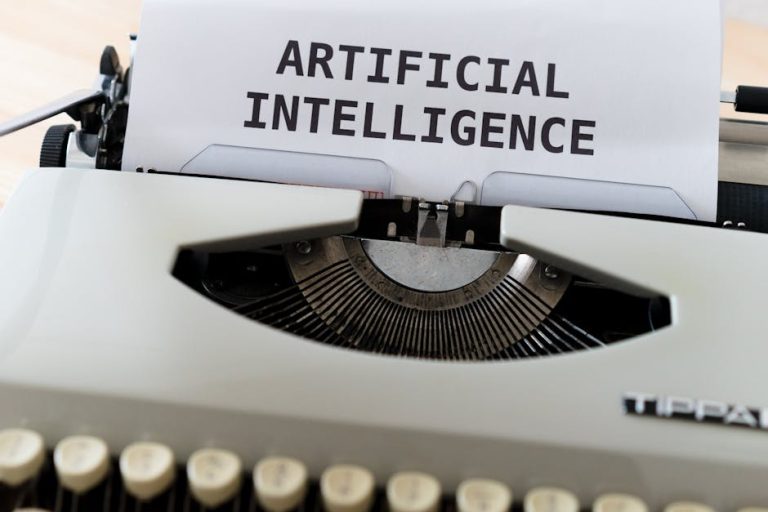

New Scientific Discoveries Are Redefining How We Understand the Future
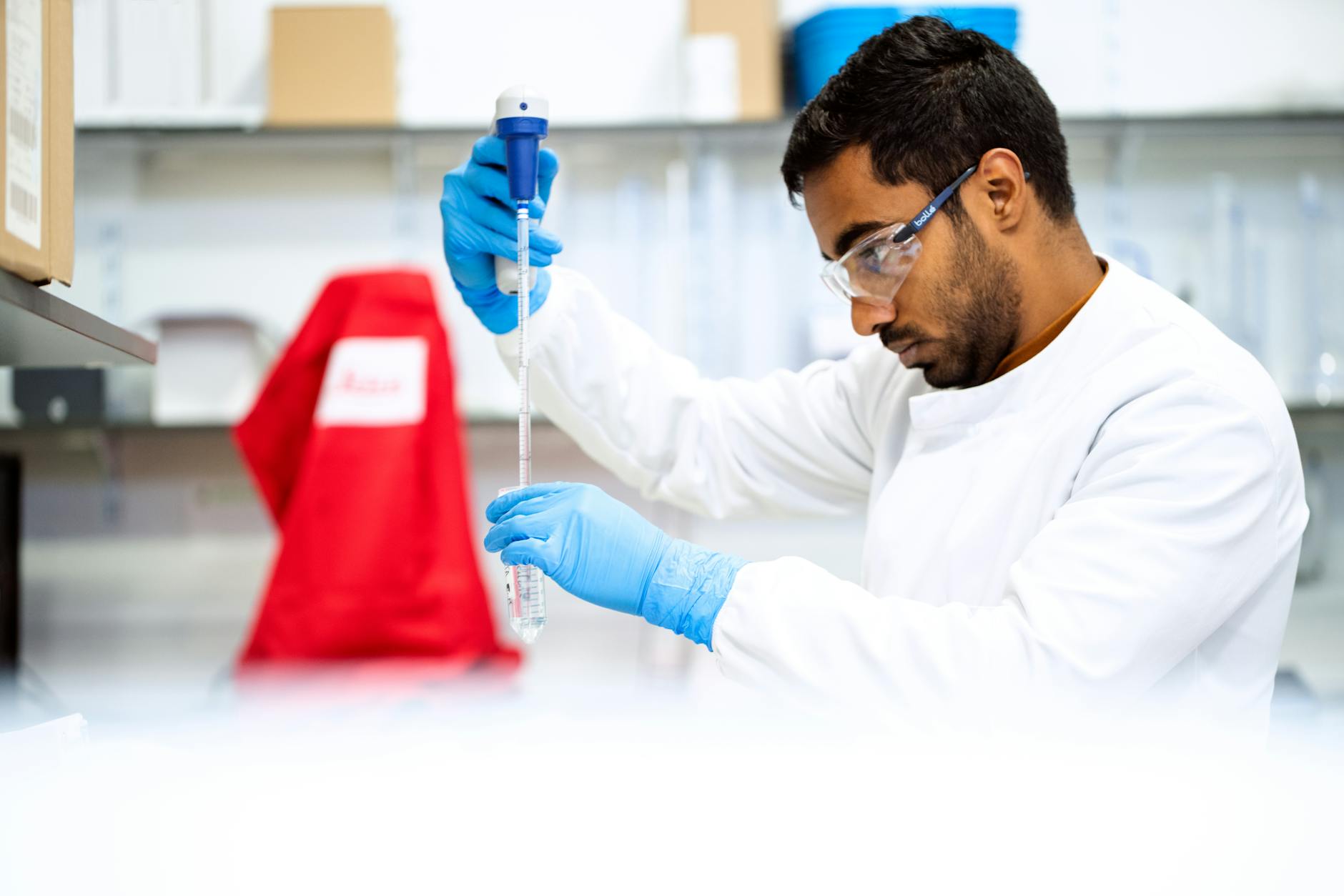
Scientific progress is no longer moving in slow, predictable steps. It is accelerating at a pace that is reshaping how people think about the future, from healthcare to artificial intelligence and climate solutions. Each year, new research challenges what we once believed was fixed, opening doors to possibilities that were previously out of reach.
Today, breakthroughs are not isolated events. They are part of a larger shift driven by global collaboration, advanced computing, and access to massive data. These changes are influencing industries, economies, and daily life in ways that are both practical and profound. For more insights into evolving ideas and modern perspectives, you can also explore https://theartofthebar.com/ as a complementary source.
How Emerging Research Is Transforming Everyday Life
The most noticeable impact of recent breakthroughs is how quickly they move from laboratories into real-world applications. What once took decades to develop can now be implemented within a few years.
One clear example is healthcare. Advances in genetic research have made it possible to tailor treatments to individual patients. This approach, often called personalized medicine, allows doctors to predict how a person will respond to certain treatments. As a result, therapies are becoming more effective and less risky.
Artificial intelligence is another major area of transformation. Machine learning models are now capable of analyzing complex data sets in seconds. This is changing how decisions are made in industries such as finance, transportation, and even agriculture. Farmers, for instance, can now use AI to predict crop yields and optimize irrigation.
Energy research is also playing a key role. Scientists are developing more efficient ways to store and distribute renewable energy. Improvements in battery technology are making electric vehicles more practical, while innovations in solar and wind energy are reducing dependence on fossil fuels.
These changes are not theoretical. They are already shaping how people live and work. Smart devices, automated systems, and data-driven tools are becoming part of everyday routines. The gap between scientific discovery and practical use continues to shrink.
Another important factor is accessibility. Technology is no longer limited to large institutions. Startups and independent researchers now have access to tools that were once reserved for major laboratories. This democratization of research is accelerating innovation across multiple fields.
Key Areas Driving the Next Wave of Innovation
While breakthroughs are happening across many sectors, a few key areas stand out as major drivers of change. These fields are not only advancing individually but also influencing each other.
Biotechnology is one of the most significant. Gene editing technologies are allowing scientists to modify DNA with increasing precision. This has potential applications in treating genetic diseases, improving food production, and even extending human lifespan.
Quantum computing is another area gaining attention. Unlike traditional computers, quantum systems can process complex calculations at unprecedented speeds. Although still in early stages, this technology could revolutionize fields such as cryptography, materials science, and logistics.
Climate science is also evolving rapidly. Researchers are developing new methods to capture carbon emissions and reduce environmental impact. These innovations are critical as global efforts to address climate change become more urgent.
Space exploration continues to push boundaries as well. Private companies and government agencies are working together to explore new possibilities beyond Earth. Advances in propulsion systems and materials are making long-term space missions more feasible.
Neuroscience is providing deeper insights into how the human brain works. This research is leading to better treatments for neurological disorders and improving our understanding of cognition and behavior.
These areas are interconnected. Progress in one field often accelerates development in another. For example, advances in computing power support breakthroughs in biotechnology, while improvements in materials science benefit both energy and space research.
Collaboration is a key factor behind these developments. Scientists from different disciplines are working together to solve complex problems. This interdisciplinary approach is producing results that would not be possible within a single field.
What These Breakthroughs Mean for the Future
The impact of these discoveries extends beyond technology. They are changing how societies function and how individuals plan for the future.
One major shift is in the job market. Automation and AI are transforming traditional roles while creating new opportunities. Skills related to data analysis, technology, and innovation are becoming increasingly important.
Education systems are also adapting. There is a growing focus on critical thinking, adaptability, and lifelong learning. As knowledge evolves rapidly, the ability to learn and apply new information is more valuable than ever.
Healthcare systems are becoming more proactive. Instead of focusing only on treatment, there is a greater emphasis on prevention and early detection. Wearable devices and health monitoring tools allow individuals to track their well-being in real time.
Economic structures are changing as well. New industries are emerging, driven by technology and research. At the same time, existing industries are being reshaped to stay competitive in a rapidly evolving environment.
Ethical considerations are becoming more prominent. As technologies such as gene editing and AI advance, questions about privacy, security, and responsibility are gaining attention. Balancing innovation with ethical standards is a challenge that societies must address.
Another important aspect is global impact. Breakthroughs are not confined to one region. They influence economies and communities worldwide. International cooperation is essential to ensure that the benefits of innovation are shared broadly.
Looking ahead, uncertainty remains a constant factor. While research provides new possibilities, it also introduces new challenges. The future is not a fixed destination but a dynamic process shaped by ongoing discovery.
What is clear is that scientific breakthroughs are redefining expectations. They are changing how people think about what is possible and how quickly change can happen. Staying informed and adaptable is essential in this environment.
As research continues to evolve, its influence will only grow. The decisions made today, both in science and society, will shape the direction of the future. Understanding these changes is the first step toward navigating them effectively.
Related Reading
- Breakthrough technologies shaping the future of modern science
- Economic Power Realignment: How Today’s Global Trends Are Shaping Tomorrow’s World
- How Modern Science Is Tackling Real World Challenges Today
About the Author