
Breakthrough science discoveries in early 2026 that are reshaping our world
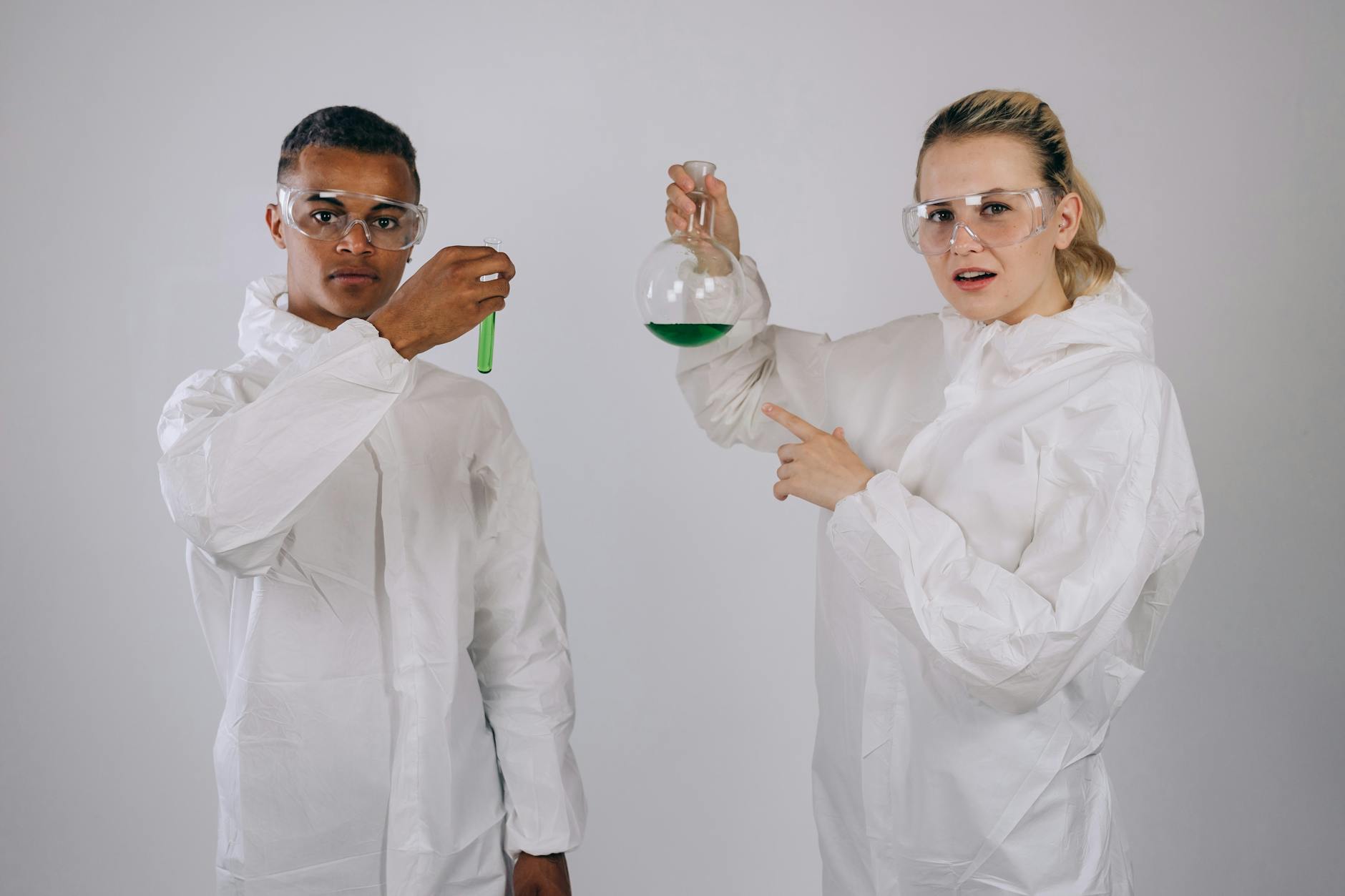
Scientific research in early 2026 has delivered a wave of discoveries that are already influencing technology, medicine, and our understanding of the universe. From AI-assisted biology to space exploration milestones, these findings are not just academic. They are shaping real-world applications you can feel. For deeper explorations into science, innovation, and culture, you can also explore curated insights on https://theartofthebar.com/ where complex topics are presented in a clear and engaging way.
Medical and biotech breakthroughs redefining human health
Healthcare research in early 2026 has moved faster than expected. Scientists are combining artificial intelligence with lab experimentation to shorten timelines and improve accuracy.
AI-driven drug discovery is accelerating treatment timelines
One of the biggest developments is how AI models are now designing drug candidates in weeks instead of years.
Researchers have successfully used machine learning systems to:
- Predict protein structures with higher precision
- Identify potential treatments for rare diseases
- Reduce failure rates in clinical trials
This shift is practical. It means new treatments can reach patients faster. Pharmaceutical companies are already restructuring their pipelines around AI-based discovery.
Gene editing becomes more precise and safer
CRISPR-based technologies have improved significantly. Scientists can now edit genes with fewer off-target effects.
Recent studies show:
- Higher success rates in correcting genetic disorders
- Reduced unintended mutations
- More stable long-term outcomes in test subjects
These improvements bring gene therapy closer to everyday medical use. Conditions that were once considered untreatable are now entering clinical trials.
Early cancer detection reaches new levels
Another major step forward is early detection.
New blood-based screening tools can identify cancer signals before symptoms appear. This approach, often called liquid biopsy, is becoming more accurate.
Benefits include:
- Detecting multiple cancer types in a single test
- Identifying disease at an earlier stage
- Improving survival rates through faster intervention
This changes how healthcare systems approach prevention. Instead of reacting to disease, the focus shifts to early identification.
Space and physics discoveries expanding our understanding of the universe
Space research in early 2026 has produced findings that challenge existing theories and open new questions.
New exoplanets show signs of complex atmospheres
Astronomers have identified several exoplanets with atmospheric compositions that suggest potential habitability.
Key observations include:
- Detection of water vapor and organic molecules
- Stable temperature ranges on certain planets
- Atmospheric patterns similar to early Earth
While this does not confirm life, it strengthens the case for habitable environments beyond our solar system.
Advances in telescope technology reveal deeper space data
New-generation telescopes are capturing clearer images of distant galaxies.
Scientists are now able to:
- Observe galaxy formation in earlier stages
- Measure cosmic expansion more accurately
- Detect faint signals previously missed
These improvements help refine models of how the universe evolved.
Breakthroughs in quantum physics move toward real-world applications
Quantum research has moved from theory to early-stage application.
Recent developments include:
- More stable qubits for quantum computing
- Improved error correction systems
- Early prototypes of quantum communication networks
This matters because quantum systems can solve problems that traditional computers cannot handle efficiently.
Technology and environmental research shaping the future
Beyond medicine and space, scientific discoveries in early 2026 are also transforming how we live on Earth.
Clean energy solutions become more efficient
Energy research has delivered practical improvements.
Scientists have developed:
- Solar panels with higher conversion efficiency
- Battery systems with longer lifespan and faster charging
- New materials that reduce energy loss
These changes make renewable energy more viable at scale. Governments and companies are already investing heavily in these technologies.
Climate monitoring tools provide more accurate predictions
Climate science has become more data-driven.
New satellite systems and AI models can:
- Track environmental changes in real time
- Predict extreme weather events earlier
- Analyze long-term climate patterns with greater precision
This helps policymakers make better decisions. It also gives communities more time to prepare for risks.
Robotics and AI integration expands into daily life
Robotics research is moving quickly into real-world environments.
Recent advancements include:
- Service robots in healthcare and logistics
- AI systems that adapt to human behavior
- Automation tools that improve productivity
You can already see this in industries like manufacturing and delivery. The next step is wider adoption in everyday settings.
Why these discoveries matter to you right now
Scientific breakthroughs are not just headlines. They influence how you live, work, and interact with technology.
Here are a few direct impacts:
- Faster access to medical treatments
- More reliable energy sources
- Improved digital tools and automation
- Better understanding of global risks
These changes happen gradually, but they build momentum.
What to expect next
Based on current trends, you can expect:
- More AI integration in scientific research
- Increased collaboration across countries
- Faster transition from lab to real-world use
Science is becoming more interconnected. Discoveries in one field quickly influence others.
How to stay updated
If you want to keep up with new discoveries:
- Follow trusted science publications
- Watch for peer-reviewed research updates
- Explore platforms that simplify complex topics
Staying informed helps you understand where the world is heading.
Conclusion
Early 2026 has already shown how quickly science can move when technology, data, and collaboration align. These discoveries are not isolated events. They are part of a larger shift toward faster innovation and practical impact. When you look closely, you can see that the future is not far away. It is already starting to take shape.
Related Reading
- Inside the New Wave of Artificial Intelligence: Key Innovations Shaping the Tech Landscape in 2026
- Breakthroughs in space exploration reshaping the future of humanity
- How Modern Science Is Tackling Real World Challenges Today
About the Author