

In 2026, the global business landscape is undergoing a profound transformation, driven by technological acceleration, geopolitical recalibration, and evolving consumer behavior. Companies are no longer operating within predictable frameworks; instead, they are navigating a fluid environment where agility and strategic foresight determine survival. As highlighted across industry platforms such as https://theartofthebar.com/, the convergence of innovation and economic shifts is creating both unprecedented opportunities and complex challenges for organizations worldwide.
The ripple effects of these changes are visible across industries—from manufacturing and finance to retail and digital services. Businesses are redefining supply chains, rethinking investment strategies, and embracing new operational models to stay competitive. What distinguishes 2026 from previous cycles is not merely the pace of change but the interconnected nature of global forces shaping the market.
The Rise of Multipolar Economic Influence
One of the most defining characteristics of the current business climate is the emergence of a multipolar economic structure. For decades, global markets were heavily influenced by a handful of dominant economies. Today, however, economic power is increasingly distributed across regions such as Southeast Asia, Africa, and parts of Latin America.
This redistribution is altering trade flows and investment priorities. Countries like Vietnam, Indonesia, and India are attracting significant foreign direct investment due to favorable demographics, expanding middle classes, and government-backed digital transformation initiatives. As a result, multinational corporations are diversifying their geographic footprints, reducing reliance on traditional hubs like China and the United States.
The shift is also reshaping supply chains. The “China+1” strategy, once a cautious contingency plan, has become a standard approach for manufacturers seeking resilience. Companies are building regional production networks that allow them to respond more effectively to disruptions, whether caused by geopolitical tensions or environmental events.
At the same time, regional trade agreements are gaining prominence. Frameworks such as the Regional Comprehensive Economic Partnership (RCEP) are facilitating cross-border collaboration and reducing barriers to entry. This trend is encouraging businesses to adopt a more localized yet interconnected strategy, balancing global reach with regional adaptability.
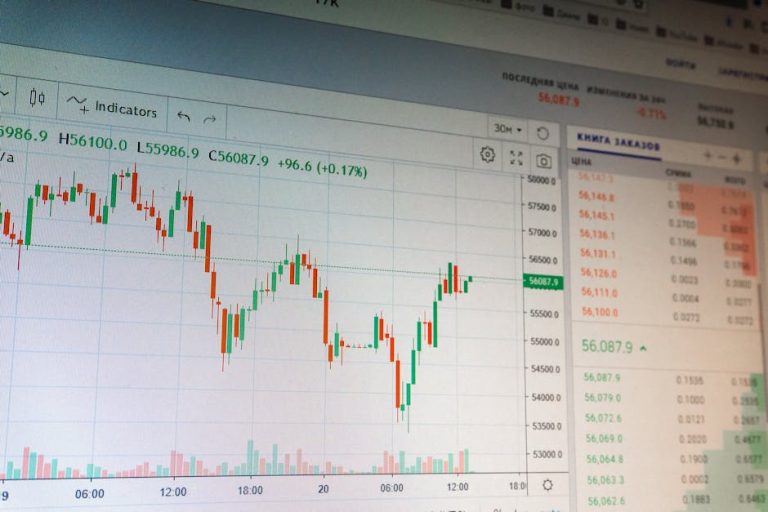
Financial markets are reflecting these changes as well. Investors are increasingly looking beyond traditional markets, seeking growth opportunities in emerging economies. This diversification is not without risk, but it underscores a broader recognition that future growth will be driven by a wider range of players.
Technology as the Primary Catalyst of Change
If geography defines where growth is happening, technology defines how it is happening. In 2026, digital transformation is no longer a competitive advantage—it is a baseline requirement. Artificial intelligence, automation, and data analytics are fundamentally altering how businesses operate, make decisions, and interact with customers.
AI, in particular, has moved from experimental applications to core business functions. Companies are leveraging machine learning algorithms to optimize supply chains, personalize marketing efforts, and enhance customer service through intelligent chat systems. The result is increased efficiency and a more tailored consumer experience.
Automation is also reshaping the workforce. Routine tasks are being replaced by intelligent systems, allowing human employees to focus on strategic and creative roles. However, this shift is creating new challenges related to workforce reskilling and job displacement. Organizations that invest in employee development are better positioned to navigate this transition.
Data has become one of the most valuable assets in the modern economy. Businesses are collecting and analyzing vast amounts of information to gain insights into consumer behavior and market trends. This data-driven approach enables more precise forecasting and faster decision-making, but it also raises concerns about privacy and security.
Cybersecurity, therefore, has become a critical priority. As digital infrastructure expands, so does the risk of cyber threats. Companies are investing heavily in protective measures, recognizing that a single breach can have far-reaching consequences for both reputation and financial stability.
Another notable trend is the rise of platform-based business models. Companies are creating ecosystems that connect users, services, and data in a seamless experience. This approach not only enhances customer engagement but also creates new revenue streams through partnerships and integrations.
Evolving Consumer Expectations and Sustainable Practices
While economic and technological factors are reshaping the supply side of business, consumer behavior is driving change from the demand side. In 2026, customers are more informed, more connected, and more selective than ever before. Their expectations are influencing how companies design products, deliver services, and communicate their values.
Sustainability has emerged as a central concern. Consumers are increasingly prioritizing environmentally responsible brands, pushing companies to adopt greener practices. This includes reducing carbon emissions, minimizing waste, and sourcing materials ethically. Businesses that fail to address these concerns risk losing relevance in a competitive market.
Transparency is another key expectation. Customers want to know how products are made, where they come from, and what impact they have on society. This demand for accountability is prompting companies to adopt more open communication strategies and to integrate ethical considerations into their operations.
Digital engagement is also evolving. Social media and online platforms are no longer just marketing tools; they are essential channels for building relationships with customers. Brands are using these platforms to gather feedback, provide support, and create communities around their products and services.
Personalization plays a crucial role in this context. Consumers expect experiences tailored to their preferences, whether through customized recommendations or targeted promotions. Businesses that can deliver this level of personalization are more likely to build loyalty and drive repeat engagement.
At the same time, price sensitivity remains a factor, particularly in regions experiencing economic volatility. Companies must strike a balance between offering value and maintaining profitability. This often involves innovative pricing strategies and the development of flexible product offerings.
The intersection of sustainability and profitability is becoming a focal point for strategic planning. Companies are discovering that environmentally responsible practices can also lead to cost savings and operational efficiencies. For example, energy-efficient technologies not only reduce emissions but also lower expenses over time.
In addition, regulatory frameworks are evolving to support sustainable practices. Governments are introducing policies and incentives that encourage businesses to adopt greener operations. Compliance is no longer optional; it is a fundamental aspect of doing business in many markets.
Conclusion: Navigating a Complex and Dynamic Future
The global business environment in 2026 is defined by complexity, interconnectedness, and rapid change. Economic power is becoming more distributed, technology is reshaping every aspect of operations, and consumer expectations are driving companies toward more responsible and transparent practices.
Success in this environment requires more than traditional strategies. Businesses must be agile, data-driven, and forward-thinking. They must be willing to invest in innovation, embrace new markets, and adapt to evolving demands.
At the same time, there is a growing recognition that long-term success is tied to broader societal and environmental considerations. Companies that align their objectives with these values are better positioned to build trust and sustain growth.
As market dynamics continue to evolve, one thing remains clear: the ability to anticipate and respond to change will be the defining characteristic of successful organizations in the years ahead.
Related Reading
- Resilient Growth: How Small Businesses Are Navigating Economic Uncertainty in 2026
- Rising Temperatures, Rising Risks: Understanding Extreme Weather in a Changing Climate
- Shifting Dynamics in U.S. Elections: Crucial Races and Their Broader Implications
About the Author