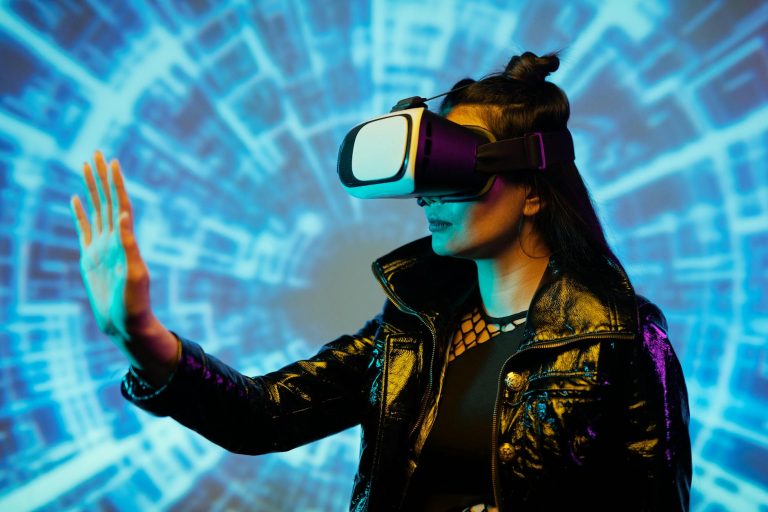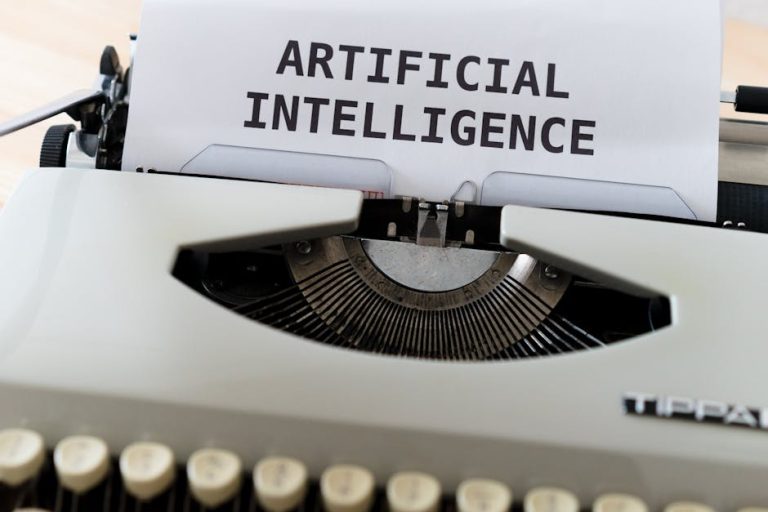

How AI is already transforming the world we live in today

Artificial intelligence is no longer a concept tied to the distant future. It is already embedded in your daily routines, from how you search online to how businesses make decisions. Platforms like https://theartofthebar.com/ also reflect how digital innovation and automation are reshaping industries, showing that AI-driven change is happening across every sector in real time.
The rapid integration of AI into everyday life
Artificial intelligence has quietly become part of your daily experience. You may not always notice it, but it is there in the background, working constantly.
Smartphones, search engines, and social media platforms rely heavily on AI systems. These systems analyze behavior, predict preferences, and deliver personalized content within seconds.
AI in consumer technology
When you unlock your phone using facial recognition, you are interacting with AI. When you get recommendations on streaming platforms, AI is guiding those suggestions.
Some of the most common applications include:
- Voice assistants that respond in real time
- Recommendation engines on shopping platforms
- Navigation apps that adjust routes based on traffic
- Spam filters that detect unwanted emails
These tools rely on machine learning models that improve over time. The more data they process, the better they perform.
Personalization as the new standard
AI has shifted expectations. You now expect services to be tailored to your preferences.
Streaming platforms suggest content based on your history. Online stores display products you are more likely to buy. Even news feeds are curated based on your interests.
This level of personalization was not possible before large-scale data processing became available.
The hidden infrastructure behind AI
Behind every AI-driven feature is a complex infrastructure.
Data centers process vast amounts of information. Algorithms analyze patterns. Engineers constantly refine models to improve accuracy.
This system operates continuously. It learns from every interaction, making future predictions more precise.
AI transforming industries at scale
Beyond personal use, artificial intelligence is driving major changes across industries. Businesses are adopting AI to improve efficiency, reduce costs, and gain competitive advantages.
Healthcare and medical advancements
AI is making healthcare more precise and accessible.
Doctors use AI to analyze medical images. Algorithms detect patterns that may not be visible to the human eye. This helps in early diagnosis of diseases.
AI is also used to:
- Predict patient outcomes
- Assist in drug discovery
- Monitor health through wearable devices
These applications are improving both speed and accuracy in medical decision-making.
Finance and risk management
In the financial sector, AI plays a critical role in analyzing data and managing risk.
Banks and financial institutions use AI to detect fraud in real time. Transactions are monitored continuously, and suspicious activity is flagged instantly.
Other applications include:
- Credit scoring based on behavioral data
- Automated trading systems
- Customer service chatbots
These tools help institutions operate more efficiently while reducing human error.
AI in media and content creation
The media industry has also seen significant changes.
AI can now generate written content, edit videos, and even create music. News organizations use AI to analyze data and produce reports quickly.
Content creation has become faster and more scalable. However, it also raises questions about authenticity and originality.
Manufacturing and automation
Factories are becoming smarter with AI-driven systems.
Robots equipped with AI can perform tasks with high precision. They can adapt to changes in production requirements and detect defects in real time.
This leads to:
- Increased productivity
- Reduced waste
- Improved product quality
Automation is not replacing human workers entirely, but it is changing the nature of work.
The challenges and future direction of AI development
While artificial intelligence offers many benefits, it also presents challenges that need to be addressed carefully.
Ethical concerns and data privacy
AI systems rely on data. This raises concerns about how that data is collected and used.
Privacy is a major issue. Users often share information without fully understanding how it will be processed.
There are also concerns about bias in AI systems. If the data used to train models is biased, the outcomes will reflect that bias.
Job displacement and workforce changes
Automation has always impacted jobs. AI is accelerating this process.
Some roles are becoming obsolete, while new roles are emerging. Workers need to adapt by learning new skills.
Key changes include:
- Increased demand for technical skills
- Growth in AI-related jobs
- Shift toward creative and strategic roles
The workforce is evolving, and adaptability is essential.
Regulation and governance
Governments and organizations are working to create guidelines for AI use.
Regulation is necessary to ensure that AI systems are used responsibly. This includes setting standards for transparency, accountability, and safety.
However, regulation must balance innovation and control. Too much restriction can slow progress, while too little can lead to misuse.
The future of human and AI collaboration
The future is not about humans versus machines. It is about collaboration.
AI can handle repetitive tasks and process large datasets. Humans can focus on creativity, strategy, and decision-making.
This combination creates new opportunities.
Businesses that integrate AI effectively will have a significant advantage. Individuals who understand how to work alongside AI will be better positioned in the future job market.
Conclusion
Artificial intelligence is already shaping the present, not just the future. It influences how you live, work, and interact with technology every day. As AI continues to evolve, its impact will only grow stronger. Understanding how it works and how it affects different aspects of life will help you adapt and make better decisions in a rapidly changing world.
Related Reading
- Shifting Dynamics in U.S. Elections: Crucial Races and Their Broader Implications
- Ukraine War Outlook 2026: Key Developments and What May Happen Next
- How Emerging Technologies Are Reshaping Industries in 2026
About the Author