
How Emerging Technologies Are Reshaping Industries in 2026

Technology in 2026 is no longer evolving quietly in the background. It is actively reshaping how industries operate, compete, and grow. From artificial intelligence to next generation connectivity, businesses are adapting faster than ever to stay relevant. If you are tracking innovation trends or looking for deeper insights into modern digital shifts, you can also explore https://theartofthebar.com/ as a useful reference point for evolving industry perspectives.
Artificial Intelligence Moves From Support Tool to Core Infrastructure
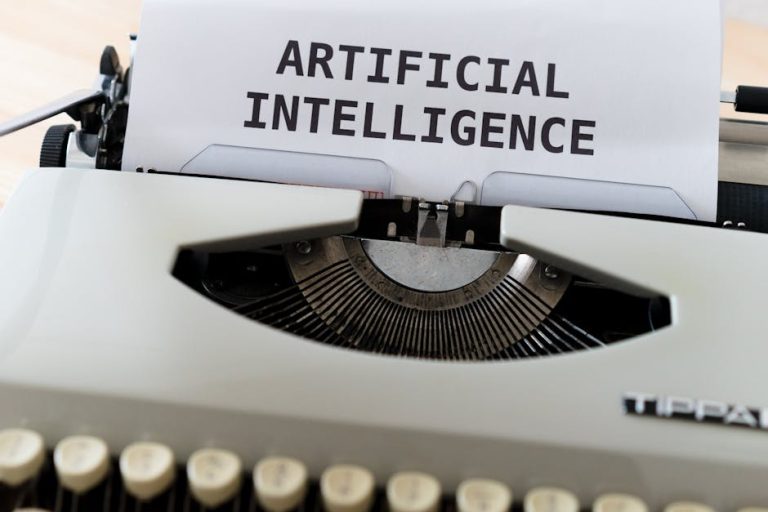
Artificial intelligence has shifted from being a supporting feature to becoming the backbone of many industries. In 2026, companies are no longer asking whether to adopt AI. They are asking how deeply they can integrate it into daily operations.
Manufacturing is one of the clearest examples. AI powered systems now handle predictive maintenance, quality control, and production optimization. Machines can detect faults before they happen, reducing downtime and saving costs. This creates a more efficient production cycle with fewer human errors.
In healthcare, AI is helping doctors make faster and more accurate decisions. Diagnostic systems can analyze medical images and patient data within seconds. This reduces waiting time and improves treatment outcomes. Hospitals are also using AI to manage patient flow and resource allocation more effectively.
Finance has also undergone a major transformation. AI driven algorithms are now used for fraud detection, risk analysis, and automated trading. Banks can identify suspicious activities in real time, reducing financial losses and improving security.
Retail is becoming more personalized through AI. Online platforms track user behavior and recommend products based on real time data. This increases conversion rates and enhances customer experience. Physical stores are also adopting smart checkout systems that reduce waiting lines.
One important shift is the rise of generative AI. Businesses use it to create content, automate communication, and even assist in product design. This reduces workload while maintaining speed and consistency.
However, the rapid expansion of AI also brings challenges. Data privacy, ethical concerns, and job displacement remain key issues. Governments and organizations are working to create regulations that balance innovation with responsibility.
Advanced Connectivity and Automation Redefine Operations
Connectivity is no longer just about faster internet. In 2026, it is about creating fully connected ecosystems where devices, systems, and people communicate seamlessly.
The expansion of 5G and early 6G development is enabling real time communication across industries. This is particularly important in logistics and transportation. Companies can track shipments with high precision and adjust routes instantly based on traffic or weather conditions.
Smart cities are becoming more common. Traffic systems, public transport, and energy usage are managed through connected networks. Sensors collect data continuously, allowing cities to respond quickly to changing conditions. This leads to improved efficiency and better quality of life.
Automation is also advancing rapidly. Warehouses now use autonomous robots to handle inventory and shipping. These robots work continuously without fatigue, increasing productivity and reducing operational costs.
In agriculture, farmers are using connected devices to monitor soil conditions, weather patterns, and crop health. Automated irrigation systems adjust water usage based on real time data. This improves yield while conserving resources.
Remote work has also evolved due to better connectivity. Virtual collaboration tools are more advanced, allowing teams to work together seamlessly from different locations. Businesses are no longer limited by geography when hiring talent.
Edge computing is another important development. Instead of sending all data to centralized servers, processing happens closer to the source. This reduces latency and improves performance, especially for applications that require real time responses.
These advancements are not just improving efficiency. They are redefining how industries operate, making processes faster, smarter, and more adaptable.
Breakthrough Innovations in Materials, Energy, and Biotechnology
Beyond software and connectivity, breakthroughs in physical technologies are driving major changes across industries.
In materials science, new lightweight and durable materials are being developed. These materials are used in construction, automotive, and aerospace industries. They improve performance while reducing environmental impact.
Energy technology is also undergoing a transformation. Renewable energy sources such as solar and wind are becoming more efficient and affordable. Energy storage systems are improving, allowing businesses to store excess energy for later use. This reduces dependence on traditional power sources.
Hydrogen energy is gaining attention as a clean alternative for industries that require high energy output. It is being tested in transportation and heavy manufacturing as a way to reduce emissions.
Biotechnology is making significant progress in healthcare and agriculture. Gene editing technologies are being used to treat genetic disorders and improve crop resilience. This has the potential to address global health and food security challenges.
Pharmaceutical companies are using advanced research methods to develop drugs faster. AI and biotechnology are working together to shorten the development cycle and improve success rates.
Sustainability is a key focus across all these innovations. Companies are under pressure to reduce their environmental impact. New technologies are helping them achieve this while maintaining profitability.
Circular economy models are becoming more common. Businesses are designing products that can be reused, recycled, or repurposed. This reduces waste and supports long term sustainability goals.
At the same time, regulatory frameworks are evolving to support these changes. Governments are encouraging innovation while setting standards to ensure safety and environmental responsibility.
The combination of materials innovation, clean energy, and biotechnology is creating new opportunities across industries. Companies that adopt these technologies early are likely to gain a competitive advantage.
Technology in 2026 is not just about new tools. It is about transforming entire systems. Industries that embrace these changes are becoming more efficient, more sustainable, and more resilient. Those that hesitate risk falling behind in a rapidly evolving landscape.
Related Reading
- How AI is already transforming the world we live in today
- How Digital Trends Are Reshaping the Way We Live and Work Today
- Ukraine War Outlook 2026: Key Developments and What May Happen Next
About the Author